
Discover multi-purpose zinc oxide properties, 99.7% indirect process & active nano grades, applications in rubber vulcanization, paint pigment, feed additive, ceramic glaze, safety handling and bulk procurement guide for global factory buyers.
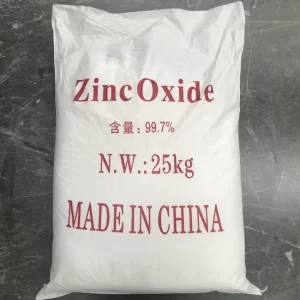
What Are Full Industrial Uses & Grade Differences of Zinc Oxide (ZnO) For Rubber, Coatings & Cosmetics?
Raw material purchasing specialists from rubber tire factories, coating manufacturers, animal feed plants and cosmetic raw material suppliers always raise a core question: why zinc oxide is one of the most versatile inorganic chemical additives covering dozens of manufacturing sectors, and how to select suitable ZnO grades according to different production formulas.
Zinc Oxide, chemical formula \(\boldsymbol{ZnO}\), CAS No.1314-13-2, is a fine white amphoteric inorganic powder with excellent UV shielding, antibacterial, vulcanization-promoting and whitening performance. It has multiple industrial classifications including indirect zinc oxide, direct zinc oxide, active nano zinc oxide and food/pharma grade zinc oxide. This article systematically sorts out its core chemical characteristics, mainstream grade distinctions, all major industrial application fields, storage safety rules and factory procurement suggestions.
1. Unique Physical & Chemical Properties of Zinc Oxide
- Outstanding UV blocking ability: Effectively absorb UVA & UVB ultraviolet rays, widely used for anti-aging and sun protection formulas.
- Amphoteric chemical property: Reacts with both acid and alkali, stable under normal high-temperature processing conditions.
- Natural antibacterial & mildew-proof performance: Inhibits reproduction of bacteria, mold and algae, extending finished product service life.
- Vulcanization activation function: Acts as indispensable vulcanization accelerator for rubber and latex products.
- High hiding power & pure white tone: Works as low-cost white pigment alternative to titanium dioxide for low-budget coating formulas.
2. Main Industrial Zinc Oxide Grades & Suitable Scenarios
The global chemical market divides zinc oxide into four mainstream specifications based on production technology and purity:
1) Indirect Process Zinc Oxide (99.7% High Purity, Most Widely Used)
- Purity standard: ZnO ≥99.7%, ultra-low heavy metal impurities (lead, cadmium, arsenic strictly controlled)
- Features: Uniform particle size, high activity, stable quality batch by batch
- Suitable industries: Automobile tires, industrial rubber products, exterior coatings, ceramic glazes, cosmetic raw materials, food additives
2) Direct Process Zinc Oxide (99.0% General Industrial Grade)
- Purity standard: ZnO ≥99.0%, slightly higher trace impurity content
- Features: Low production cost, economical for mass low-end manufacturing
- Suitable industries: Ordinary interior paint, building putty, low-grade rubber parts, fertilizer additives
3) Active Nano Zinc Oxide
- Features: Ultra-fine nano particle size, ultra-high specific surface area, stronger antibacterial and UV shielding capacity with less addition dosage
- Suitable industries: Antibacterial plastic, sunscreen cosmetics, waterborne anti-mold coating, textile anti-UV finishing
4) Food & Pharmaceutical Grade Zinc Oxide
- Features: Strict heavy metal limit, complies with FDA, EU food contact standards
- Suitable industries: Animal feed trace element supplement, oral ointment raw material, food nutritional fortifier
3. Core Industrial Application 1: Rubber & Latex Industry (Largest Consumption Market)
The rubber manufacturing sector consumes over 60% of global zinc oxide output, and indirect 99.7% ZnO is the standard raw material:
- Vulcanization activator: Greatly improves vulcanization speed and cross-linking density of rubber, enhancing tensile strength, wear resistance and aging resistance of tires, conveyor belts, hoses and sealing gaskets.
- Thermal conductivity filler: Accelerates heat dissipation inside rubber tires during high-speed operation, reducing tire aging risk caused by overheating.
- Anti-aging agent: Blocks ultraviolet radiation to slow rubber cracking, yellowing and brittleness under long-term outdoor exposure.
- Latex products: Used for medical latex gloves, elastic bands and foam latex to stabilize molding performance.
4. Core Industrial Application 2: Coatings, Inks & Architectural Putty
Zinc oxide serves as multi-functional additive for water-based and solvent-based paint systems:
- White pigment & extender: Reduces titanium dioxide consumption to cut raw material costs for interior wall paint, anti-rust industrial coatings and printing inks.
- Anti-rust performance: Forms dense protective film on metal surfaces to isolate oxygen and moisture, widely added to steel structure anti-corrosion paint.
- Anti-mold & self-cleaning: Nano zinc oxide prevents mold growth on exterior wall coatings in humid tropical regions.
- Paint film modifier: Improves coating hardness, scratch resistance and color retention.
5. Core Industrial Application 3: Ceramic, Enamel & Glass Manufacturing
High-purity indirect zinc oxide is a key glaze additive for ceramic factories:
- Acts as fluxing agent to lower glaze melting temperature, saving kiln fuel consumption.
- Boosts glaze gloss, transparency and surface smoothness, avoiding pinholes and glaze crazing on tiles and sanitary ware.
- Adjusts color tone of colored ceramic glazes, stable without discoloration under high firing temperature.
6. Other Important Industrial Application Fields
Animal Feed Additive
Food-grade zinc oxide provides trace zinc element for livestock, poultry and aquaculture animals, promoting animal growth and improving immunity; high-dose special zinc oxide prevents piglet diarrhea.
Cosmetic & Personal Care Products
Nano and high-purity indirect zinc oxide are core physical sunscreen raw materials, non-irritating to skin; also applied in facial cream, body lotion and baby care products for antibacterial effects.
Plastic & Masterbatch
Added into PE, PP, PVC plastic to realize UV anti-aging, antibacterial and whitening functions for outdoor plastic pipes, agricultural films and daily plastic household goods.
Textile Industry
Nano zinc oxide finishing agent gives fabrics anti-ultraviolet, antibacterial and deodorant functions for sportswear, curtains and bedding textiles.
Indirect ZnO VS Direct ZnO VS Nano Zinc Oxide: Quick Selection Guide
- Choose 99.7% indirect zinc oxide: Tire rubber, high-end exterior paint, cosmetics, food additives, premium ceramics requiring stable high purity.
- Choose direct process zinc oxide: Low-cost interior coatings, construction putty, general low-demand rubber accessories.
- Choose nano active zinc oxide: Antibacterial plastic, sunscreen cosmetics, anti-mold water-based paint, UV-resistant textile finishing.
Safe Storage & Operation Guidelines
- Store zinc oxide powder in dry, cool, ventilated warehouses; use PE lined woven bags or ton jumbo bags with fully sealed packaging to avoid moisture agglomeration.
- Wear dust masks and safety goggles during feeding and mixing to prevent long-term inhalation of fine powder dust.
- Separate storage from strong acid chemicals to avoid neutralization reactions.
- Non-dangerous goods for ocean transportation, with complete COA, TDS and food-grade test reports available upon request.
FAQ
Q1: Why tire factories prefer 99.7% indirect zinc oxide instead of direct grade?
A1: Indirect zinc oxide has higher purity and uniform particle activity, which can significantly improve rubber wear resistance and vulcanization efficiency. Direct ZnO contains more impurities that reduce tire service life, so it is only used for cheap low-load rubber parts.
Q2: Can nano zinc oxide fully replace ordinary indirect zinc oxide in rubber formulas?
A2: Not recommended. Nano ZnO is too fine and easy to agglomerate in rubber mixing systems, leading to uneven vulcanization. It can only be used as auxiliary additive instead of full replacement.
Q3: Is zinc oxide safe for sunscreen and food additive production?
A3: Food and cosmetic grade zinc oxide passes strict heavy metal detection and international safety certifications, with no toxic side effects for external skin use and animal feeding within standard dosage. Industrial low-purity direct zinc oxide cannot be used in these two fields.
Conclusion
Zinc oxide is a multi-functional inorganic chemical covering rubber vulcanization, coating anti-corrosion, ceramic glazing, feed nutrition and cosmetic sun protection industries. Indirect 99.7% high-purity zinc oxide remains the mainstream choice for most high-standard production lines, while direct and nano grades match low-cost and special functional demands separately.
If you need bulk supply of 99.7% indirect zinc oxide, nano active zinc oxide or feed/food grade zinc oxide with complete certification documents, contact our technical sales team for free test samples and customized formula technical support.