
Magnesium Oxide (MgO) is a versatile inorganic chemical. Learn about its grades, key applications, storage tips and buying guidance for refractory, construction, feed and chemical industries.
What Is Magnesium Oxide?
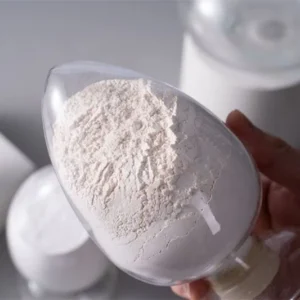
Magnesium oxide (MgO), also known as magnesia, is a white inorganic powder produced by calcining magnesite ore. Different calcination temperatures create light‑burned magnesium oxide and dead‑burned magnesium oxide, two most common industrial grades. Purity varies widely from 85% to 98%, directly affecting performance and final product quality.
Light‑burned MgO has high chemical activity, while dead‑burned MgO features high density, low activity and excellent high‑temperature resistance. Buyers need to distinguish these two types before placing orders.
Main Industrial Applications of Magnesium Oxide
1. Refractory Materials
Dead‑burned magnesium oxide is the core raw material for magnesia bricks and refractory castables. It withstands temperatures above 2000℃, widely used in steel furnaces, cement kilns and non‑ferrous metal smelting equipment. High‑purity MgO delivers longer service life for high‑temperature kiln linings.
2. Construction & Building Materials
Light‑burned magnesium oxide mixes with magnesium chloride to produce magnesium oxychloride cement. It is applied in fire‑proof boards, floor panels, decorative boards and man‑made stone. This material owns good fire resistance and low‑cost advantages.
3. Feed & Fertilizer Industry
Food‑grade and feed‑grade magnesium oxide acts as magnesium supplement for livestock and poultry. It helps animal bone development and prevents magnesium deficiency. Agricultural grade MgO supplies magnesium nutrient for soil improvement.
4. Chemical & Environmental Protection
Magnesium oxide works as neutralizing agent for acidic wastewater treatment. It is also used in catalyst carriers, rubber and plastic filler, flame retardant for polymer products.
How to Choose Suitable Magnesium Oxide Grade
- Refractory field: Choose dead‑burned magnesium oxide, focus on high MgO content, low CaO and SiO₂ impurity.
- Magnesium cement building materials: Select light‑burned MgO, pay attention to activity value.
- Feed additive: Require feed‑grade standard, heavy‑metal index must meet safety specification.
Poor‑quality magnesium oxide with excessive impurities will cause cracking, short service life or safety risks for finished goods. Confirm technical datasheet before bulk purchase.
Storage & Handling Suggestions
Magnesium oxide absorbs moisture and carbon dioxide from air, which will reduce activity.
- Keep packages tightly sealed
- Store in cool, dry and well‑ventilated warehouse
- Avoid long‑term exposure to humid air
- Wear dust mask and goggles when handling powder to prevent dust inhalation
FAQ
Q1: What is the difference between light‑burned and dead‑burned magnesium oxide?
A: Light‑burned MgO is calcined under lower temperature with high reactivity, mainly for building materials, feed. Dead‑burned MgO is high‑temperature calcined, low activity, for refractory products.
Q2: Does higher purity magnesium oxide always mean better?
A: Not exactly. For magnesium cement boards, suitable activity is more critical than extremely high purity. Match grade according to your production formula.
Q3: Can magnesium oxide contact with water directly?
A: Slow hydration reaction occurs. Long‑time contact with water will deteriorate powder performance, so waterproof storage is necessary.