
Aluminium Hydroxide is a non‑toxic halogen‑free flame retardant. Explore its grades, applications in plastics, rubber, ceramics and filler industries, storage and purchasing tips.
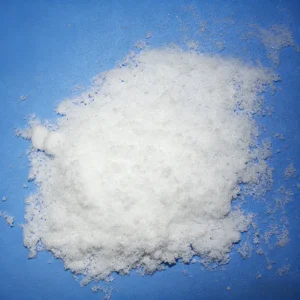
What Is Aluminium Hydroxide?
Aluminium Hydroxide (Al(OH)₃), also called alumina trihydrate / ATH, is a white fine inorganic powder. It is non‑toxic, smokeless and halogen‑free. Different particle sizes and whiteness grades determine its industrial performance. Common purity ranges from 99.0% to 99.7%. Fine‑ground and ultra‑fine grades are widely traded for global industrial buyers.
When heated, aluminium hydroxide decomposes and releases water vapor, absorbing large amounts of heat. This special property makes it one of the most popular environmentally friendly flame retardants worldwide.
Main Industrial Applications of Aluminium Hydroxide
1. Halogen‑Free Flame Retardant
ATH is the major halogen‑free flame retardant for plastics, rubber, cables and coatings. During combustion, it cools the material and suppresses smoke without releasing toxic halide gas. It is widely used in wire & cable insulation, conveyor belts, plastic profiles.
2. Ceramic & Glass Raw Material
High‑whiteness aluminium hydroxide serves as alumina source for ceramic bodies, glazes and glass production. It improves product hardness, chemical resistance and surface gloss. Low‑iron grade is preferred for white ceramic and transparent glass manufacturing.
3. Filler for Artificial Stone & Composite Materials
Ultra‑fine aluminium hydroxide powder is a core filler for artificial marble and quartz stone slabs. High whiteness delivers bright surface colour, enhances hardness and anti‑aging performance of finished slabs.
4. Chemical & Pharmaceutical Industry
It acts as raw material for producing other aluminium salts. Medical‑grade aluminium hydroxide can be used as antacid ingredient. It is also applied in water treatment as pH adjusting agent.
How to Select Right Aluminium Hydroxide Grade
- Flame retardant for plastic / cable: Choose ultra‑fine particle size, focus on moisture content and oil absorption value. High oil absorption will affect compounding processing performance.
- Artificial quartz stone: Require high whiteness, low iron content, controlled particle size distribution. Yellow tint comes from excess iron impurities.
- Ceramic and glass: Prioritize low‑impurity grade, strictly control Fe₂O₃ and SiO₂ index.
Always request COA certificate before bulk order. Impurity excess will cause yellow spots, poor flame‑retardant effect or defective finished products.
Storage & Handling Suggestions
Aluminium hydroxide is stable under normal conditions, but easy to absorb moisture in humid environment.
- Keep bags well‑sealed after opening
- Store in dry, cool and ventilated warehouse
- Prevent rain and damp ground contact
- Wear dust‑proof mask when handling fine powder to avoid dust inhalation
FAQ
Q1: What is the difference between Aluminium Hydroxide and Aluminium Oxide?
A: Aluminium Hydroxide (ATH) contains crystal water, mainly used as flame retardant and filler. Aluminium Oxide is calcined product without water, widely used for refractory, abrasive and ceramic raw materials.
Q2: Is Aluminium Hydroxide flame retardant halogen‑free?
A: Yes. ATH is typical halogen‑free flame retardant, no toxic halogen fumes while burning, meeting many international environmental standards.
Q3: Will particle size affect end‑product performance?
A: Definitely. Finer powder brings better flame‑retardant effect and smoother surface, yet higher oil absorption may increase processing difficulty. Match particle size to your formula requirement.