
Learn industrial-grade aluminum oxide’s features, different types (calcined, white fused, brown fused alumina), applications for refractory, abrasive, ceramic, polishing and bulk sourcing tips for factory buyers.
What Are The Main Industrial Uses & Performance Advantages Of Aluminum Oxide (Al₂O₃)?
Procurement managers from refractory plants, abrasive tool factories, advanced ceramic manufacturers and metal polishing workshops often ask: why aluminum oxide is one of the most widely used inorganic refractory and abrasive raw materials across all heavy industries.
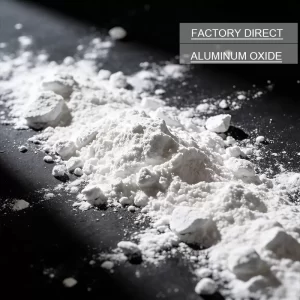
Aluminum Oxide, chemical formula \(\boldsymbol{Al_2O_3}\), also called alumina, is a hard, high melting-point white inorganic powder with superior heat resistance, chemical inertness and high mechanical hardness. Multiple variants including calcined alumina, white fused alumina and brown fused alumina are customized for different production demands. This article breaks down its core physical properties, classification, industrial application directions and bulk purchasing guidance.
What Unique Physical & Chemical Properties Does Aluminum Oxide Have?
- Ultra-high melting point (2072°C): Outstanding thermal stability, does not soften or decompose under extreme high-temperature working conditions.
- Extreme hardness: Second only to diamond and silicon carbide, excellent for grinding, cutting and polishing processes.
- Strong chemical inertness: Resists corrosion from most acids, alkalis and molten metal, will not react with high-temperature furnace materials.
- High insulation performance: Great electrical insulation, widely used for electronic component substrates and heat dissipation fillers.
- High wear resistance & low friction: Extends service life of abrasive tools and wear-resistant ceramic parts.
Main Classification of Industrial Aluminum Oxide & Their Features
Different production processes create alumina variants with targeted industrial functions:
1. Calcined Alumina (High Purity Fine Powder)
Fine white powder with ultra-low impurity content, uniform particle size. Core strengths: High sintering activity, ultra-high purity, ideal for advanced ceramics, electronic substrates and refractory additives.
2. White Fused Aluminum Oxide
Produced by melting high-purity alumina ingots at ultra-high temperature, sharp crystal edges, high whiteness, low iron impurity. Core strengths: Fine polishing precision, no iron contamination, suitable for precision abrasive tools, jewelry polishing and high-end refractory materials.
3. Brown Fused Aluminum Oxide
Made from bauxite raw material, moderate hardness, higher toughness, lower market price. Core strengths: Cost-effective heavy-duty grinding material, widely used for metal cutting, sandblasting and ordinary refractory bricks.
Core Industrial Application 1: Refractory & High-Temperature Furnace Materials
Refractory industry consumes massive volumes of aluminum oxide:
- Used to produce high-alumina refractory bricks, castable refractory, furnace lining materials for steel smelting kilns, glass melting furnaces and ceramic kilns.
- Its 2072°C melting point prevents lining deformation under long-term high-temperature firing, greatly extending furnace service life and cutting maintenance costs.
- High-purity calcined alumina is added into refractory formulas to boost thermal shock resistance of furnace lining.
Core Industrial Application 2: Abrasive, Sandblasting & Metal Polishing
Fused alumina is the mainstream raw material for abrasive manufacturing:
- Brown fused alumina: For heavy metal grinding wheels, steel workpiece sandblasting, rust removal and rough surface finishing of metal castings.
- White fused alumina: Precision polishing of stainless steel, aluminum alloy, jewelry, optical glass and mold surface fine grinding, no iron stains left on finished workpieces.
- Fine alumina powder: Polishing slurry for semiconductor wafers, mobile phone glass panels and precision hardware parts.
Core Industrial Application 3: Advanced Ceramic & Electronic Industry
High-purity calcined alumina is irreplaceable for high-performance ceramic production:
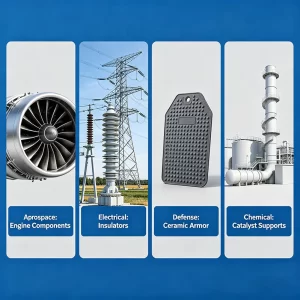
- Manufacture alumina ceramic substrates for circuit boards, electronic insulating parts, ceramic wear-resistant valves and pump components.
- High density alumina ceramic features wear resistance, insulation and high-temperature resistance, widely used in new energy, semiconductor and medical equipment accessories.
- Added into daily ceramic glaze to improve hardness and scratch resistance of ceramic tile surfaces.
Other Widely Used Industrial Scenarios
- Filler for Plastic & Rubber: Improve plastic heat dissipation, wear resistance and flame retardancy as functional filler.
- Catalyst Carrier: High-purity porous alumina powder acts as carrier for chemical reaction catalysts in petrochemical plants.
- Desiccant Material: Activated alumina absorbs water vapor for industrial gas drying and air compression systems.
Brown Fused VS White Fused VS Calcined Alumina: Quick Selection Guide
Choose Brown Fused Aluminum Oxide If:
You need low-cost heavy grinding, metal sandblasting, ordinary industrial refractory with no strict iron impurity limits.
Choose White Fused Aluminum Oxide If:
Your process requires high-precision polishing, zero iron contamination, high-end refractory or optical component grinding.
Choose Calcined Alumina Powder If:
You produce advanced electronic ceramics, circuit substrates, catalyst carriers or high-purity refractory additives.
Safe Storage & Handling Guidelines For Aluminum Oxide Powder
- Store alumina powder in dry, ventilated warehouses, seal PE-lined woven bags or jumbo bags to prevent moisture absorption and caking.
- Wear dust-proof masks and safety goggles during feeding and grinding to avoid long-term inhalation of fine alumina dust.
- Separate storage from colored metal ores to avoid cross-contamination for polishing and ceramic production.
- No special chemical reaction risks, but keep away from strong hydrofluoric acid which can corrode alumina.
FAQ
Q: Can brown fused alumina replace white fused alumina for jewelry polishing?
A: Not recommended. Brown fused alumina contains iron impurities that leave dark stains on jewelry and optical glass surfaces; white fused alumina is mandatory for high-precision polishing.
Q: What is the difference between activated alumina and calcined alumina?
A: Activated alumina has porous structures for water adsorption and catalyst carrier use, while calcined alumina features dense crystals for ceramic sintering and refractory production.
Conclusion
With ultra-high heat resistance, superior hardness and stable chemical inertness, aluminum oxide covers refractory kiln lining, abrasive polishing, advanced electronic ceramics and petrochemical catalyst carrier industries. Three mainstream grades (calcined, white fused, brown fused) match different production budget and precision requirements.
If you need high-purity calcined alumina, white/brown fused aluminum oxide with customized mesh sizes, complete COA & TDS documents and factory bulk quotations, contact our technical sales team for free test samples.