
Cobalt (II,III) Oxide (Co₃O₄), also known as cobalt tetroxide, is a critical cobalt oxide powder widely used for lithium-ion battery cathode materials, catalysts, ceramic pigments. Learn specifications, purity grades, storage tips and bulk supply information.
What Is Cobalt (II,III) Oxide? Main Applications & Purchasing Guide for Battery-Grade Co₃O₄
Introduction
Cobalt (II,III) Oxide, with the chemical formula Co₃O₄, is commonly called cobalt tetroxide. It is a black inorganic cobalt oxide powder featuring stable spinel crystal structure. Compared with cobalt oxide (CoO) and cobalt sesquioxide (Co₂O₃), Co₃O₄ balances chemical stability and electrochemical activity, making it an indispensable raw material in new energy, chemical catalysis and ceramic manufacturing fields.
Commercial cobalt (II,III) oxide is divided into multiple grades: battery grade, industrial grade and ceramic grade. Particle size, purity and impurity content are the core indicators buyers need to confirm before bulk orders.
Basic Physical & Chemical Properties
- Chemical Name: Cobalt (II,III) Oxide
- Formula: Co₃O₄
- CAS Number: 1308-06-1
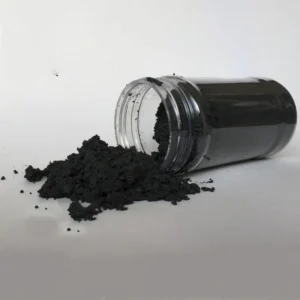
- Appearance: Black fine powder
- Insoluble in water, slightly soluble in mineral acids
- Excellent thermal stability under normal atmosphere
- Typical purity specifications: 99.0%, 99.5%, 99.9%
Core Industrial Applications
1. Lithium-ion Battery Cathode Precursor (Largest Demand)
Battery-grade Co₃O₄ is the primary raw material for producing lithium cobalt oxide (LCO). It is widely applied in lithium batteries for consumer electronics including smartphones, laptops and wearable devices. High purity and low heavy metal impurities are strict requirements for battery-grade products.
2. Industrial Catalyst
Cobalt tetroxide serves as an efficient catalyst in VOC combustion, waste gas treatment and hydrogen evolution reactions. It is popular in environmental protection chemical engineering.
3. Ceramic & Enamel Pigment
Industrial-grade Co₃O₄ provides stable blue and black coloration for ceramics, glazes and enamel products. It shows good color resistance under high-temperature firing conditions.
4. Magnetic Materials & Electronic Components
Fine-particle Co₃O₄ can be used for manufacturing soft magnetic materials and electronic ceramic components.
How to Choose Suitable Cobalt (II,III) Oxide Grade
- Battery manufacturing: Choose ≥99.9% high purity battery grade, control iron, copper, lead and other impurity limits strictly.
- Catalyst production: 99.0%~99.5% industrial grade is acceptable, focus on particle distribution.
- Ceramic pigment: Standard industrial grade meets glazing requirements.
Storage & Handling Recommendations
- Seal packages tightly and store in dry, ventilated warehouses; avoid moisture absorption.
- Keep away from strong acids, oxidizing agents.
- Wear dust masks and goggles during material handling to prevent inhalation of powder.
Frequently Asked Questions
Q1: What is the difference between Co₃O₄ and Co₂O₃?
Co₃O₄ (Cobalt II,III Oxide) has spinel structure and superior electrochemical performance, mainly used for lithium batteries. Cobalt(III) oxide Co₂O₃ is more commonly adopted for pigments and general catalysts.
Q2: Can you supply custom particle size cobalt tetroxide powder?
Qualified manufacturers can adjust D50 particle size according to customer requirements for battery and catalyst production.
Q3: Is cobalt (II,III) oxide hazardous goods for sea shipment?
Please check local transport regulations. Proper UN packaging and SDS documents are necessary for international bulk shipments.
Conclusion
Cobalt (II,III) Oxide (Co₃O₄) remains a vital raw material for the global new energy battery industry. When sourcing bulk Co₃O₄, buyers should prioritize purity, particle size consistency and stable supply capacity. If you need technical data sheets, sample support or bulk quotation, contact our team directly.