
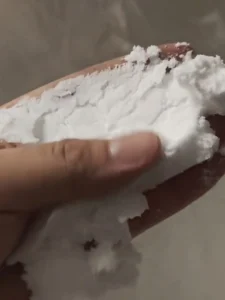
Sodium Fluorosilicate (CAS 16893‑85‑9) is white crystalline powder. Learn its grades, key applications in ceramics, glass, water‑glass hardener, water treatment, storage & safety tips for bulk buyers.
What is Sodium Fluorosilicate?
What are the main industrial applications of Sodium Fluorosilicate?
-
Ceramic & Glass Industry
It works as glaze flux and glass opacifier. It lowers glaze melting point, improves surface gloss and chemical resistance for ceramic products. In glass production, it helps remove bubbles and produce frosted or opal glass effect.
-
Construction & Foundry: Hardener for Water Glass
This is one of its largest‑volume usages. Sodium fluorosilicate is a classic hardening agent for sodium silicate (water glass). It is widely used for acid‑proof mortar, acid‑resistant concrete and foundry binder systems, offering controllable curing speed and high final strength.
-
Water Treatment
It is applied as fluoridation agent for municipal drinking water to adjust fluoride content. It also assists scale inhibition in industrial water systems.
-
Chemical Raw Material
It acts as intermediate feedstock for producing sodium fluoride, cryolite and other fluorine‑related chemicals.
-
Wood Preservation & Agro‑related Field
It can be used as wood preservative and insect‑proof agent to prevent timber decay and pest damage抖音百科.
-
Metal Surface Treatment
Used in metal pickling and passivation processes for aluminum and steel to optimize surface treatment performance.
What purity grade should I choose for my production?
- 99.0% high‑grade: Recommended for fine ceramics, high‑quality glass, precise water‑glass formula and chemical synthesis, low impurity requirement.
- 98.5% industrial grade: Suitable for general construction acid‑proof material, common‑level wood preservation, large‑volume water‑glass hardener, cost‑effective bulk procurementkass.sacin….
How to store and handle Sodium Fluorosilicate safely?
- Store in cool, dry and ventilated warehouse, keep sealed against moisture.
- Keep away from strong acid, alkali and food‑related goods, separate storage.
- Wear dust mask, goggles and rubber gloves during operation, avoid inhaling powder and skin contact.
- Standard packing: 25kg PE‑lined woven bag, jumbo bag optional for bulk order.
FAQ
A1: No. They are different fluorine salts with different molecular structure, solubility and application scope. Do not substitute each other directly.
A2: Long‑term damp environment will trigger partial hydrolysis, which harms product performance. Moisture‑proof storage is essential.
A3: Yes. Particle size can be adjusted according to customer technical requirements for glaze, water‑glass hardener and other usages.