
Learn the benefits of 98% purity calcite powder for ceramic glaze, glass raw material, plastic filler, paint coating production, impurity control, storage rules and bulk factory sourcing guide for industrial buyers.
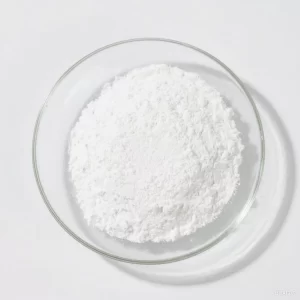
What Production Advantages Does 98% Purity Calcite Bring To Glass, Ceramic & Filler Manufacturing?
Procurement managers of ceramic factories, glass plants, plastic and coating manufacturers often raise the same question: why 98% purity calcite powder is the most cost-effective mainstream raw material, instead of low-purity calcite or ultra-high purity variants.
Calcite is natural calcium carbonate mineral, the core raw material supplying calcium oxide after high-temperature calcination. The 98% purity grade controls the total impurity content below 2%, balancing stable production performance and raw material cost for most inorganic processing industries. This article fully explains its application value, quality advantages, handling standards and bulk procurement tips.
What Is The Core Difference Between 98% Calcite And Low-Grade Calcite?
Natural calcite ore contains miscellaneous impurities such as magnesium oxide, iron oxide, silica and mud. Low-purity calcite (below 95%) carries excessive iron and silicon contaminants that cause multiple production defects during sintering and melting.
The 98% purity specification sets strict limits on harmful impurities:
- Ultra-low iron content prevents yellow, brown or black spots on ceramic bodies, glaze surfaces and transparent glass;
- Low silica content avoids hard silicon aggregates that wear down mixing equipment and kiln rollers;
- Stable calcium carbonate content guarantees consistent chemical reaction efficiency in every production batch.
For medium and large-scale continuous production lines, 98% calcite effectively cuts defective product rates without pushing up raw material expenditure dramatically.
How Does 98% Calcite Optimize Ceramic Body & Glaze Production?
Ceramic tiles, sanitary ware and daily ceramic manufacturers widely add calcite powder to body formulas and glazes.
Calcite decomposes at high temperature to release CO₂ and generate calcium oxide, which acts as a mild flux to lower kiln firing temperature and save fuel costs.
The advantages of choosing 98% purity calcite:
- Uniform melting performance during firing, reducing glaze pinholes, shrinkage cracks and matte spots;
- Minimal iron impurities keep white ceramic bodies bright without discoloration;
- Stable particle size distribution improves mixing uniformity of ceramic raw materials, avoiding color difference between kiln batches.
Why Is 98% Calcite A Standard Raw Material For Glass Manufacturing?
Flat glass, container glass and glass fiber factories use calcite as calcium source auxiliary flux. It cooperates with soda ash to adjust glass chemical composition and enhance mechanical strength of finished glass.
Low-purity calcite with high iron content will turn transparent glass greenish, which cannot meet the quality standard of daily glass and decorative glass.
98% calcite with controlled iron impurity maintains high light transmittance of glass, stabilizes melting furnace reaction and reduces bubble generation in molten glass.
What Benefits Does 98% Calcite Provide For Plastic, Paint & Rubber Fillers?
As an inorganic functional filler, ground calcite powder reduces production cost of plastic masterbatch, architectural coating and industrial rubber products.
98% purity calcite has fewer insoluble impurity particles, so it can:
- Improve surface smoothness of plastic parts and paint film;
- Avoid scratch points and granular protrusions on finished products caused by hard silica impurities;
- Enhance the hardness, wear resistance and aging resistance of rubber and plastic finished goods.
Safe Storage & Handling Tips For Industrial 98% Calcite Powder
Calcite powder is non-toxic, but proper storage rules help maintain stable physical properties:
- Store in dry, ventilated warehouses; avoid long-term damp exposure to prevent powder caking;
- Use dust-proof feeding equipment during production mixing; operators need simple dust masks to reduce fine powder inhalation;
- Seal woven bag or jumbo bag packaging well to stop moisture absorption in long-distance ocean shipping.
FAQ
Q: Is 99% high-purity calcite always better than 98% grade?
A: 99% purity calcite has much higher mining and processing cost. For most ceramic, glass and filler production, 98% purity fully meets quality requirements. Only ultra-transparent high-end crystal glass or food-grade filler lines need to upgrade to higher purity.
Q: Can 98% calcite replace barium carbonate in ceramic glaze formula?
A: They serve different functions. Calcite mainly provides calcium flux, while barium carbonate improves glaze gloss and eliminates efflorescence. Factories usually mix both materials according to glaze formula demand.
Conclusion
98% purity calcite powder is the universal cost-performance raw material for ceramic, glass, plastic and coating industries. Its strict impurity control balances finished product quality and bulk procurement cost, making it the first choice for most industrial manufacturing lines.
If you need stable factory supply of 98% calcite powder with custom mesh size, complete COA certification and ocean shipping packaging solutions, contact our technical sales team for free samples and exclusive bulk quotation.