Discover how 99.2% purity barium carbonate optimizes glass clarification, ceramic glaze sintering and ferrite magnet production. We cover impurity control, application scenarios, storage and bulk sourcing tips for industrial procurement teams.
What Performance Advantages Does 99.2% Purity Barium Carbonate Bring To Ceramic & Ferrite Production?
Procurement engineers from ceramic, magnetic material and glass factories often ask: why do many mature manufacturers insist on selecting 99.2% purity barium carbonate instead of lower-purity alternatives? Minor differences in impurity content will create huge gaps in finished product yield, surface quality and magnetic stability for mass production.
99.2% grade is the mainstream high-standard industrial specification for barium carbonate. Strict impurity limits for iron, strontium, sulfur and insoluble substances make this chemical suitable for high-demand production lines. This article breaks down its core strengths across major industries, common usage doubts and bulk procurement advice.
What Makes 99.2% Purity Barium Carbonate Different From Lower-Grade Options?
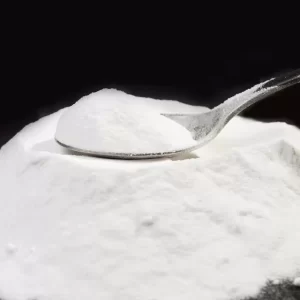
Barium carbonate () is a white inorganic carbonate powder. For industrial low-purity variants, excess iron, sulfate and heavy metal impurities will remain after high-temperature sintering. These impurities lead to product defects such as dark spots, pinholes and unstable magnetic properties.
The 99.2% purity standard means only 0.8% total allowable impurities:
- Ultra-low iron content avoids dark discoloration on ceramic glaze and glass surfaces;
- Reduced soluble sulfate prevents efflorescence (white salt bloom) on ceramic tiles and fired bricks;
- Stable particle size distribution guarantees consistent reaction performance across different production batches.
Such stable chemical consistency greatly reduces defective product rate for long-run continuous manufacturing.
How Does 99.2% Barium Carbonate Improve Glass Manufacturing Quality?
Glass factories use barium carbonate as a high-efficiency clarifying and flux agent inside melting furnaces.
When heated to high temperature, barium carbonate decomposes and releases gas to eliminate tiny microbubbles trapped inside molten glass. Lower-purity barium carbonate carries iron impurities that create faint grey streaks inside finished glass.
- The glass body achieves higher light transmittance for tableware glass, decorative glass and optical base material;
- Far fewer bubble defects appear after furnace melting;
- Flux effect is uniform, lowering required melting temperature and cutting furnace energy consumption.
Why Ceramic Glaze Production Relies On 99.2% Purity Barium Carbonate?
Ceramic tile and craft ceramic manufacturers add barium carbonate into glaze formulations to lower glaze melting point and improve surface gloss.
Impurities in cheap low-grade barium carbonate easily form pinholes, mottling and matte patches on glazed surfaces.
Using 99.2% barium carbonate brings these production benefits:
- Glaze melts evenly during kiln firing to form smooth, glossy finished surfaces;
- Minimal iron impurities eliminate yellow/brown stains on white and light-colored ceramic products;
- It restrains sulfate precipitation, so tiles will not develop unsightly white efflorescence after installation.
Mid-to-high end floor tiles, sanitary ware and art ceramics almost universally adopt this purity grade for stable output.
What Benefits Does 99.2% Barium Carbonate Offer For Ferrite Magnet Production?
Soft ferrite and permanent ferrite manufacturers need high-purity barium carbonate as core raw material for magnetic powder synthesis.
Even trace iron or alkali impurities will disrupt internal crystal structure and reduce magnetic permeability of ferrite components. Unstable magnet performance will cause electronic component failure.
99.2% purity barium carbonate:
- Maintains stable magnetic parameters of finished ferrite cores for speakers, transformers and household appliance parts;
- Reduces batch-to-batch performance fluctuation of magnetic materials;
- Low impurity level extends the service life of finished magnetic components.
Critical Safety & Warehouse Storage Guidelines For Barium Carbonate
Unlike sodium carbonate or potassium carbonate, barium carbonate is toxic if ingested, so strict storage rules are mandatory:
- Store separately from food, feed and daily chemical raw materials, with clear hazardous chemical marking on packages;
- Keep warehouses dry: barium carbonate absorbs moisture slowly, damp environments cause powder caking and uneven feeding;
- Require workers to wear dust masks and gloves during material handling; avoid inhalation of fine powder.
Never use barium carbonate for food processing, agricultural fertilization or drinking water treatment under any circumstances.
FAQ
Q: Is higher purity always better than 99.2% for regular production?
A: Ultra-high purity barium carbonate has significantly higher cost. 99.2% already meets quality requirements for most glass, ceramic and ferrite production; upgrading to higher purity will bring unnecessary cost growth for ordinary product lines.
Q: Can I replace 99.2% barium carbonate with soda ash in glaze formulation?
A: No. Barium ions deliver unique flux and crystal adjustment effects that sodium carbonate cannot replicate for ceramic glaze and ferrite manufacturing.
Conclusion
99.2% purity barium carbonate strikes the perfect balance between production performance and raw material cost for glass, ceramic glaze and ferrite magnet industries. Its tight impurity control effectively lowers defect rates and stabilizes mass production outcomes.
If you need factory-direct 99.2% barium carbonate, complete COA documents, custom packaging options or bulk quotation, contact our technical sales team for tailored supply solutions.